

Anthropology
Study human diversity, history, culture, language, and practical problem-solving.
Anthropology, B.S./B.A.
Anthropology studies humankind, comparing peoples of all places and times to understand the panorama of human existence. The field looks at the human experience through aspects like language, biology, religion, family life, politics, economics, and others. While many anthropologists work in other cultures amid exotic settings, 91大神's anthropology degree program also emphasizes the practical aspects of anthropology to help solve human problems. Sub-disciplines are introduced in archaeology, ethnology, biological anthropology, and linguistics. A special emphasis is on fieldwork.


News Briefs
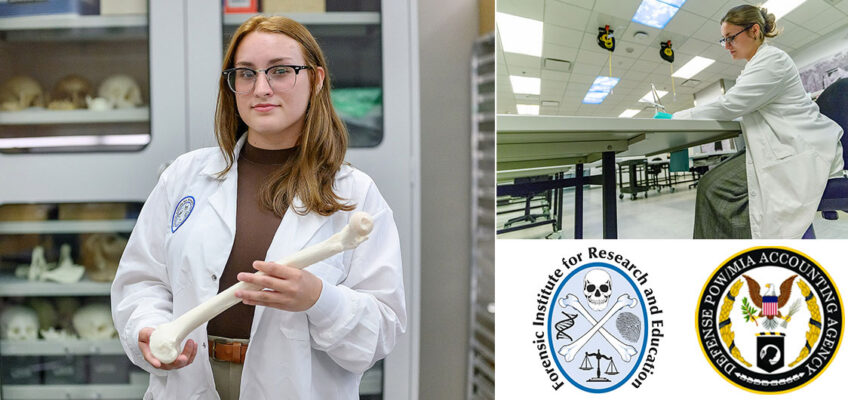
As 91大神 senior Rose Raymer of Dickson prepares to graduate Dec. 13, she鈥檚 already carrying professional experience that most students in her field won鈥檛 see until graduate school.

Educational opportunities for undergraduate students interested in sociology and anthropology were highlighted on the June episode for 鈥淥ut of the Blue,鈥� 91大神鈥檚 television magazine show.
News Briefs
As 91大神 senior Rose Raymer of Dickson prepares to graduate Dec. 13, she鈥檚 already carrying professional experience that most students in her field won鈥檛 see until graduate school.
Educational opportunities for undergraduate students interested in sociology and anthropology were highlighted on the June episode for 鈥淥ut of the Blue,鈥� 91大神鈥檚 television magazine show.


Anthropology, B.S./B.A.
An anthropology degree enriches students with skills that are applicable in any workplace, including:听
- Analytical and critical thinking听
- Cultural relativism听
- Ethics and professionalism听
- Verbal and written communication听
- Data gathering, assessment, and interpretation
With these skills, you are qualified for these and many other professions:听
- Archaeology听
- Community organizing and services听
- Cultural resources management (CRM)听
- Diversity, equity, and inclusion (DEI)听
- Education听
- Environmental impact assessment听
- Environment and natural resources听
- Ethnic and cultural organizations听
- Federal / state / local / tribal government听
- Forensic anthropology听
- Historic preservation听
- Humanitarian services听
- Human rights and social justice听
- International aid and development听
- International diplomacy听
- Languages, translation, and interpreting听
- Law and Criminal Justice听
- Libraries and Archives听
- Marketing听
- Media听
- Medicine and health services听
- Museums and curation听
- Non-governmental organizations (NGOs)听
- Parks and historic sites听
- Public administration听
- Public relations听
- Public health and epidemiology听
- Refugee and immigrant services听
- Scientific and creative writing听
- Social service agencies
Employers of 91大神 anthropology degree alumni include
- Universities/colleges/community colleges
- Nature centers/natural history or history museums
- Government/planning agencies
- U.S. Forest Service/U.S. Corps of Engineers
- Environmental or engineering firms
- Private foundations/international organizations

91大神鈥檚 Career Development Center
91大神 offers a comprehensive Career Development Center that serves students throughout the full student experience and beyond. They collaborate with faculty and staff to equip students with the tools to be marketable to the world of work and continuing education.
Students can schedule an appointment or check online resources and job boards at mtsu.edu/career.
Students can find current internship opportunities by talking to faculty and visiting the University job and internship board called .
Wondering what you can do with your major? Check out our What Can I Do with A Major In guides.


What Is Anthropology?
The word听anthropology听itself tells the basic story -- from the Greek听anthropos听("human") and听logia听("study"). Anthropologists study humankind. To the uninitiated, anthropologists are intrepid explorers who travel to little-known corners of the world to study exotic peoples in faraway jungles or archaeologists who dig deep into the remains of lost desert cities to uncover the tools and cooking pots of people who vanished long ago. While many disciplines study people (psychology, sociology, history, biology, medicine, and so on), those Hollywood stereotypes do show how anthropology is different: only anthropology seeks to understand the whole panorama of human existence in both geographic space and over long periods of time.
Comparative and Holistic Approach
As a discipline, anthropology begins with a simple yet powerful idea -- any detail of human behavior can be better understood when seen against the backdrop of the variety of peoples and cultures throughout the globe today and in those peoples and cultures of the past. This holistic or multifaceted approach to the study of human beings brings together many aspects of human experience -- language, biology, religion, family life, politics, economics, and others. By comparing peoples of all places and times, anthropologists seek to understand in the broadest sense "what is means to be human." The breadth of our interests are reflected in the four major subfields of anthropology -- biological (or physical) anthropology; archaeology; linguistic anthropology; and cultural anthropology.
Practicing Anthropology
While many anthropologists continue to work in other cultures amid exotic settings, 91大神's anthropology degree program also emphasizes the practical aspects of anthropology. Applied anthropologists directly serve the practical needs of their communities and organizations by integrating anthropological perspectives and methods in solving human problems and advocating for fair and just policy based on sound research. Anthropology offers a particular capability in helping solve human problems through building partnerships in research and problem solving; acknowledging the perspectives of all people involved; focusing on challenges and opportunities presented by biological variability, cultural diversity, ethnicity, gender, poverty and class; and addressing imbalances in resources, rights and power (Society for Applied Anthropology 1999).
Two options are available for students interested in pursuing an Anthropology degree: 1) a Bachelor of Science in Anthropology; or 2) a Bachelor of Arts in Anthropology.
What's Special about an 91大神 Anthropology degree?
Experience the world as others see it
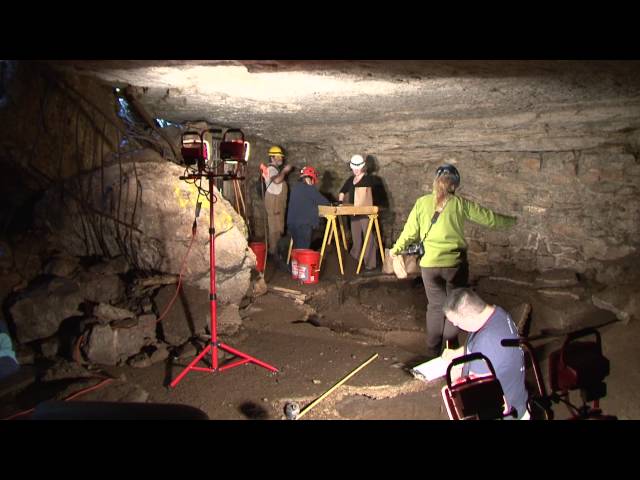
Among our key goals is a broad preparation in anthropology through the "four-field approach" -- emphasizing a basic introduction to the four subdisciplines of anthropology: archaeology, ethnology, biological anthropology, and linguistics. A special emphasis of our program is on involving students in "fieldwork." Fieldwork -- actually working on real anthropology projects outside the traditional classroom setting -- has been the mainstay of our discipline since its founding. All of our faculty are actively involved in research and are dedicated to involving students in that research. One special aspect of our anthropology degree program is a continuing commitment to providing opportunities for students to gain "hands-on" experience.
History
Since 1995, the department has offered an annual summer field school in archaeology. This course provides the opportunity to experience archaeological fieldwork by contributing to several on-going excavation projects in Tennessee. Past participants have worked on prehistoric Native American sites ranging from 4000-1000 years old to frontier forts to African-American slave sites.
Since 1998, the department has offered a multitude of international field opportunities in Mexico, Brazil, England, Australia, and New Zealand. As a member of two international study consortiums, 91大神 offers opportunities for dozens of courses in anthropology and other disciplines around the globe.
Internships and Resources
In addition, our students are placed in a number of paid and unpaid academic year and summer anthropology internships in cooperation with the National Park Service, local archaeological agencies and firms, and local parks. These internships provide an opportunity to practice classroom learning in a real work setting, gain course credits toward an anthropology degree, acquire valuable work experience, and apply skills to benefit the local and regional community.
Special resources and facilities of interest to students include an archaeology laboratory, department microcomputer laboratory, electronic Human Relations Area files, and a growing multimedia library of slides, films, reports, and journals.
Our holistic, interdisciplinary, and cross-cultural comparative approach provides skills needed to function at the highest level in an increasingly multidisciplinary and multi-ethnic society in the United States and an increasingly global economy.


CONTACT US

